

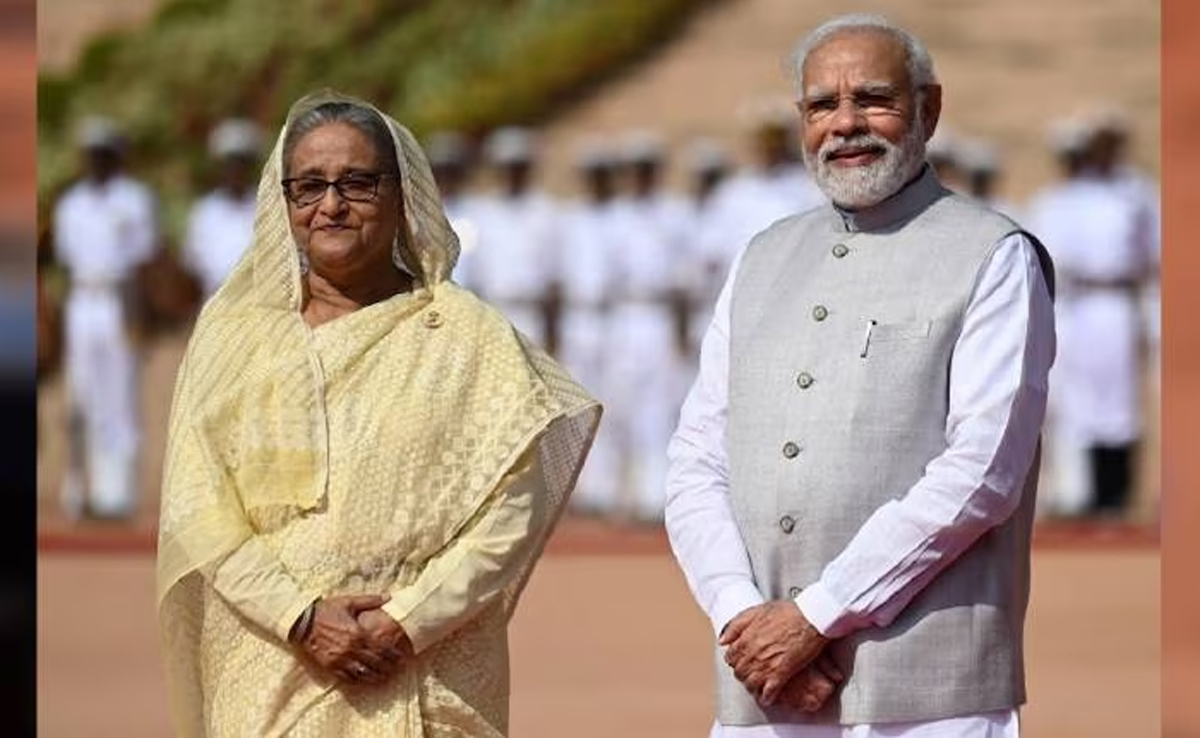
In the wake of the Maldives’ “India Out” campaign, Bangladesh finds itself swept up in a similar tide of anti-India sentiment, revealing long-suppressed grievances now bubbling to the surface.
Allegations of Indian interference in Bangladesh’s domestic politics, particularly surrounding the recent elections that secured Prime Minister Sheikh Hasina Wajid another term, have fueled the growing outcry.
This sentiment is not new in the South Asian nation, with anti-India feelings intensifying over the past decade, reaching a crescendo when crowds flooded the streets of Dhaka to celebrate India’s defeat in the 2023 Cricket World Cup final.
Following contentious elections marked by widespread opposition protests, the “India Out” movement in Bangladesh has gained momentum. Bangladeshi diaspora and opposition parties are actively promoting the campaign, urging citizens to boycott Indian goods.
The parallels with the Maldives are striking. President Mohamed Muizzu capitalized on anti-India sentiment to secure power, ordering the withdrawal of Indian military personnel and surveillance aircraft from the Maldives, signaling a shift in the geopolitical landscape.
In Dhaka, the campaign unfolds against the backdrop of India’s historically strong ties with Hasina’s government, leading many to speculate on India’s perceived favoritism towards the incumbent political order.
Bangladesh’s heavy reliance on imports from India, totaling $16.16 billion in fiscal year 2022, underscores the potential economic repercussions of any boycott. Analysts warn that a drop in Indian imports could push Bangladesh towards seeking alternative trade partners, potentially tilting towards China.
While the extent of the “India Out” campaign’s impact remains uncertain, it underscores Bangladesh’s evolving political landscape and highlights concerns over India’s regional influence tactics.





Leave a Reply